
How to Use Rat Traps at Home: 7 Tips for Homeowners
If you have discovered signs of rats around your home, acting quickly can help prevent a small problem from becoming a full-blown infestation. While rat traps are one of the most reliable ways to control rodents, proper placement and technique make all the difference. Follow these seven tips to improve your chances of success.
1. Choose the Right Type of Trap
Not all rat traps are created equal. Traditional snap traps remain a popular choice because they are affordable, effective, and provide immediate results. Electronic traps are another excellent option, delivering a quick, humane kill while keeping the rat contained. Whichever style you choose, make sure it is designed specifically for rats, as mouse traps are generally too small to be effective.
2. Place Traps Where Rats Naturally Travel
Rats rarely run across open spaces. Instead, they prefer to travel along walls, fences, and other edges where they feel protected. Position your traps perpendicular to the wall, with the trigger end facing the wall. This setup increases the likelihood that a rat will encounter the trigger as it follows its normal travel route.
3. Use Bait That Rats Actually Want
Forget the cartoon image of rats chasing cheese. In reality, rats are much more attracted to foods high in fat or protein. Peanut butter is one of the best options because it is aromatic and difficult for rats to remove without triggering the trap. Other effective choices include hazelnut spread, bacon, nuts, pet food, or dried fruit. Use only a small amount of bait to encourage the rat to interact directly with the trigger.
4. Set Multiple Traps
If you have seen one rat, there is a good chance there are more nearby. Instead of relying on a single trap, place several traps throughout areas where you have noticed activity. Position them about 10 to 20 feet apart along walls, behind appliances, in garages, basements, or other places where rats are likely to travel. More traps increase your chances of reducing the population quickly.
5. Be Patient with Cautious Rats
Rats are naturally wary of unfamiliar objects, a behavior known as neophobia. If rats seem to avoid your traps, try placing them with bait but leaving them unset for a day or two. Once the rats become comfortable feeding from them, activate the traps. This simple strategy can significantly improve your catch rate.
6. Check Traps Every Day
Inspect your traps daily to remove any captured rats promptly. Wear disposable gloves when handling traps or rodents, and disinfect the area afterward. Regular checks also allow you to replace bait if needed and reposition traps if you are not seeing results.
7. Prevent Future Infestations
Even the best trapping strategy will not solve the problem if rats continue to find food and shelter around your home. Store food in sealed containers, keep garbage cans tightly closed, clean up pet food and bird seed, and seal openings around your home's foundation, doors, pipes, and vents. Preventing access is just as important as trapping the rats already present.
Using rat traps effectively is about more than simply setting them and hoping for the best. Choosing the right traps, placing them strategically, using attractive bait, and addressing the conditions that attract rodents will give you the best chance of success. With a combination of smart trapping and good prevention habits, you can protect your home and keep rat problems under control throughout the year.
Recommended Products
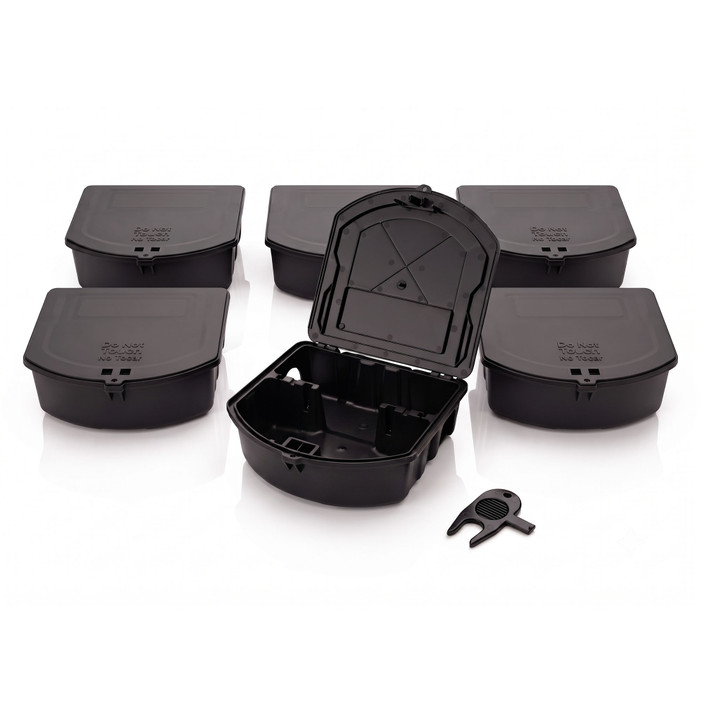
Planning to use a bait station as part of your rodent-control plan? The B&G Standard Rodent Station is a professional-grade bait station designed for durable, long-term containment. It combines heavy-duty construction with a high-capacity chamber and a discreet, low-profile design. The pack includes six stations and one universal key. Its tamper-resistant design helps restrict access to bait while keeping setup simple and efficient.